Practical Skills That Can Strengthen a Household
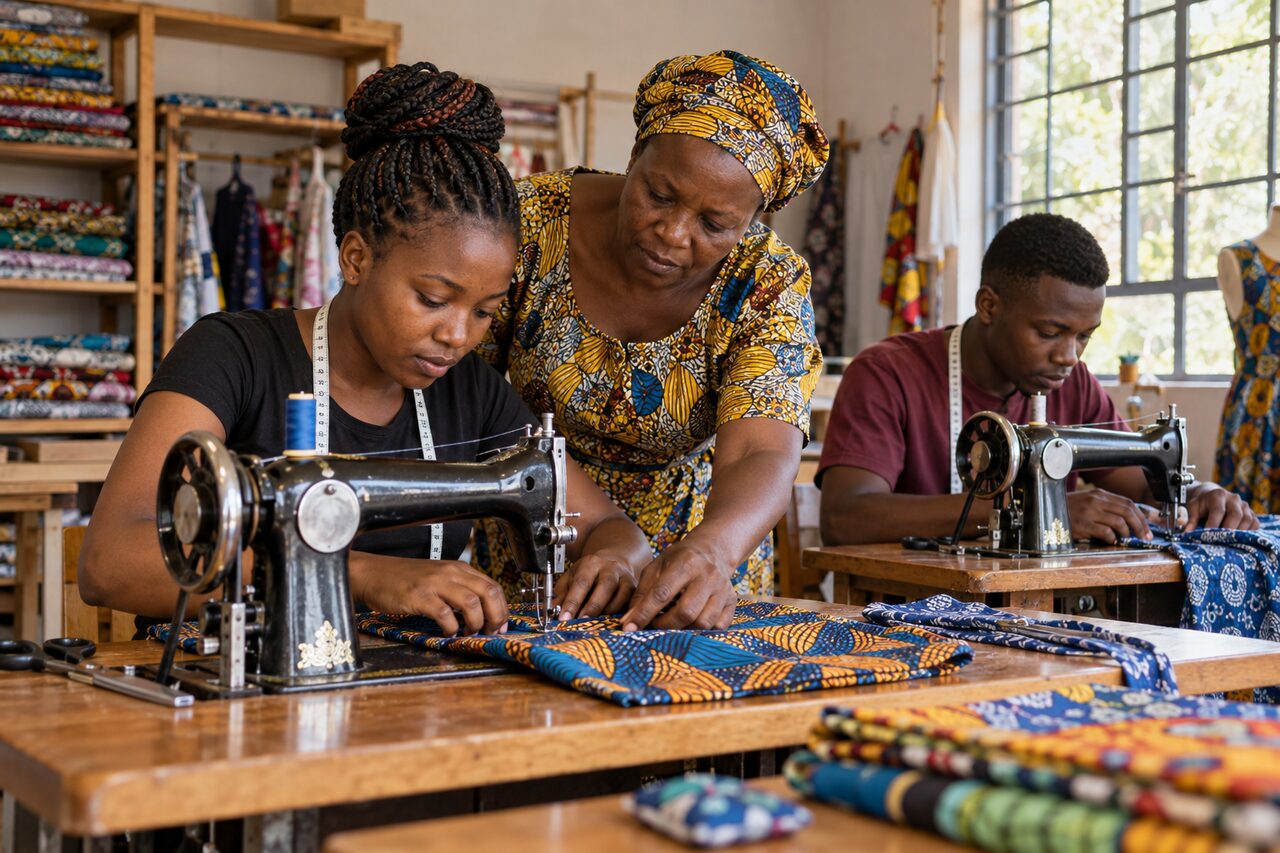
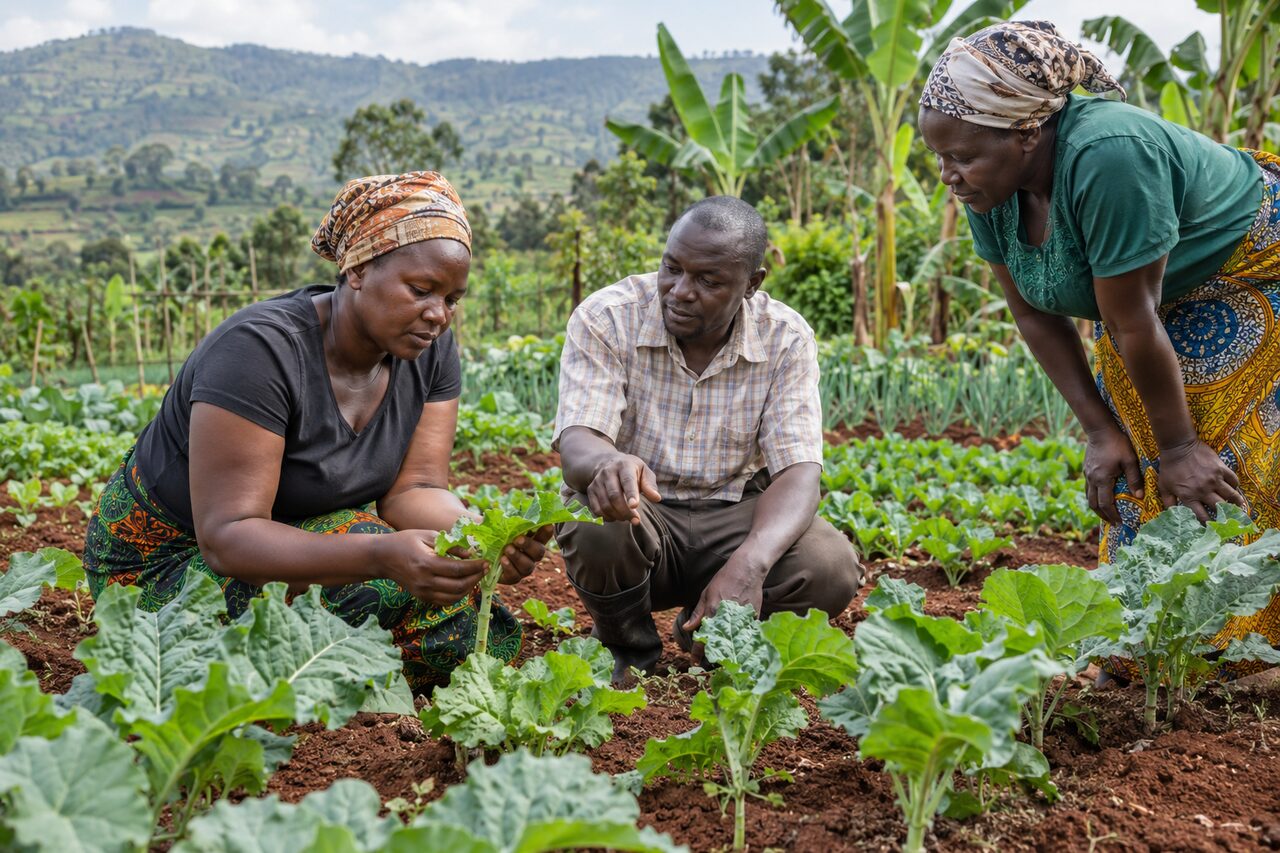
The Model Farm is intended to provide vocational training in best agricultural practices through hands-on demonstrations, structured learning and supervised practice. Training should help participants build useful skills that can be applied to household food production, farming, employment or future livelihood activities.
Training areas may include
- Integrated crop and livestock farming
- Dairy-cattle management
- Sheep and dairy-goat management
- Poultry management
- Greenhouse and vegetable production
- Soil, water and crop-care practices
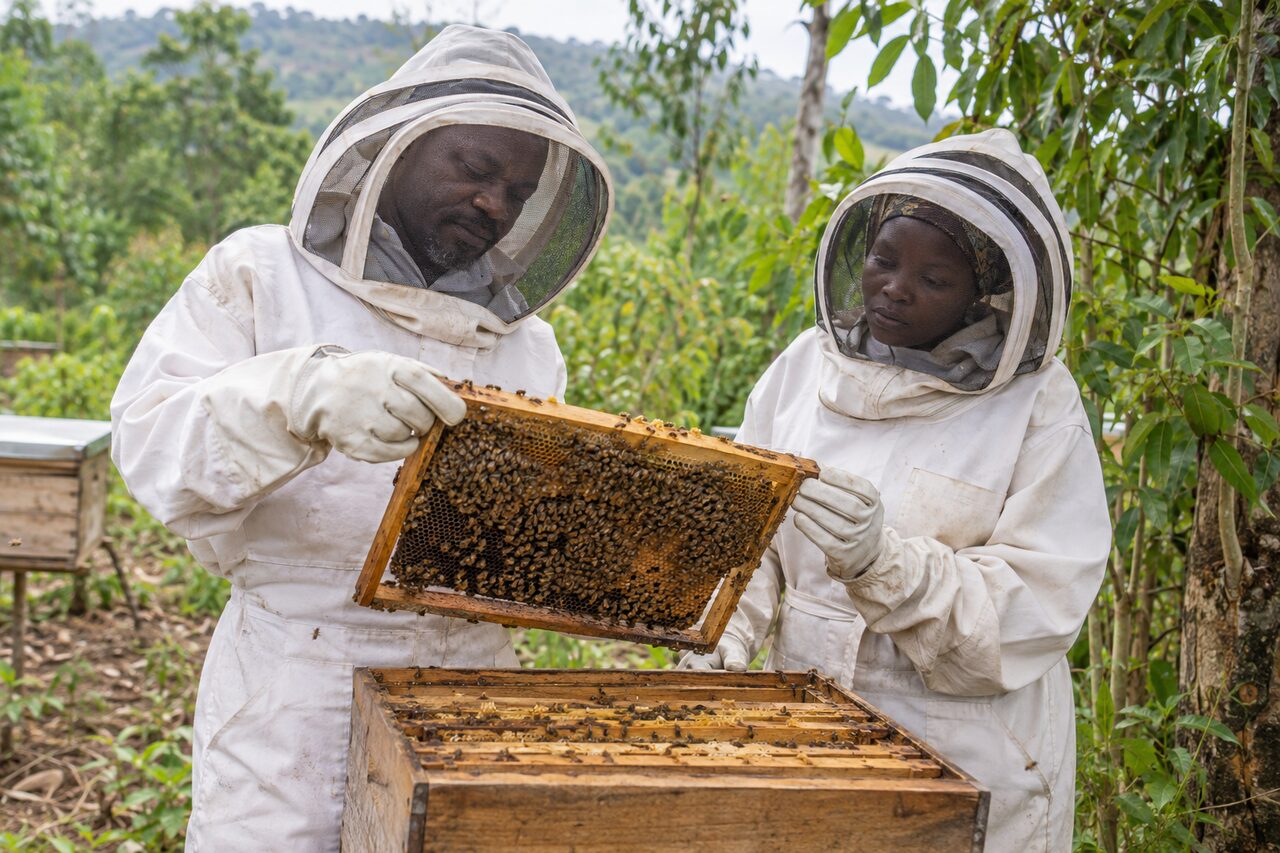
- Bee-keeping basics
- Farm hygiene and biosecurity awareness
- Record keeping and farm planning
- Nutrition-sensitive agriculture
- Climate-resilient agricultural practices
- Renewable-energy and biogas awareness
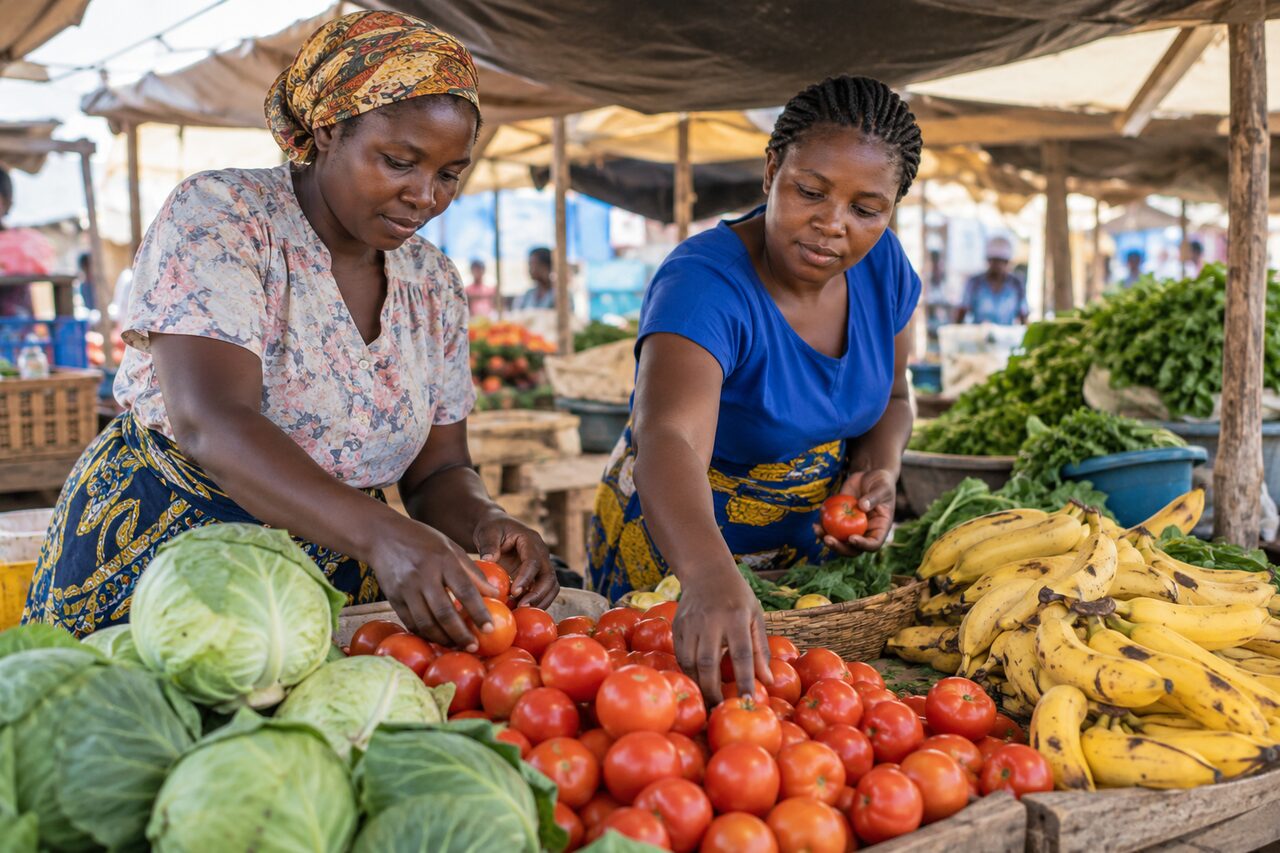
- Post-harvest handling where programme capacity allows
Learning format
Training can combine short demonstrations, multi-session vocational programmes, supervised practice, field days and partner-led technical sessions. The exact format should depend on the subject, participant needs, available trainers and farm readiness.
Skills should be accessible
Agricultural training often works best when participation barriers are considered from the beginning. Wings For The Nations aims to create fair access for women, men and young people while maintaining the same standards of learning, safety and accountability.
Gender-responsive programme principles
- Promote fair access to training and demonstrations.
- Avoid assuming that particular farm tasks are only for men or only for women.
- Schedule activities in ways that consider common caregiving and household responsibilities where practical.
- Use respectful learning environments with clear anti-harassment and safeguarding expectations.
- Encourage women and young people to participate in technical, enterprise and leadership-oriented sessions.
- Where appropriate and lawful, monitor participation by age and sex so the programme can identify access gaps.
- Do not use vulnerability or gender as a publicity tool; protect participant dignity and privacy.
Youth participation
Youth-facing agricultural learning should focus on practical skills, innovation, responsibility and realistic livelihood pathways. Any participation by minors must follow appropriate safeguarding, consent and supervision requirements.